
Introduction
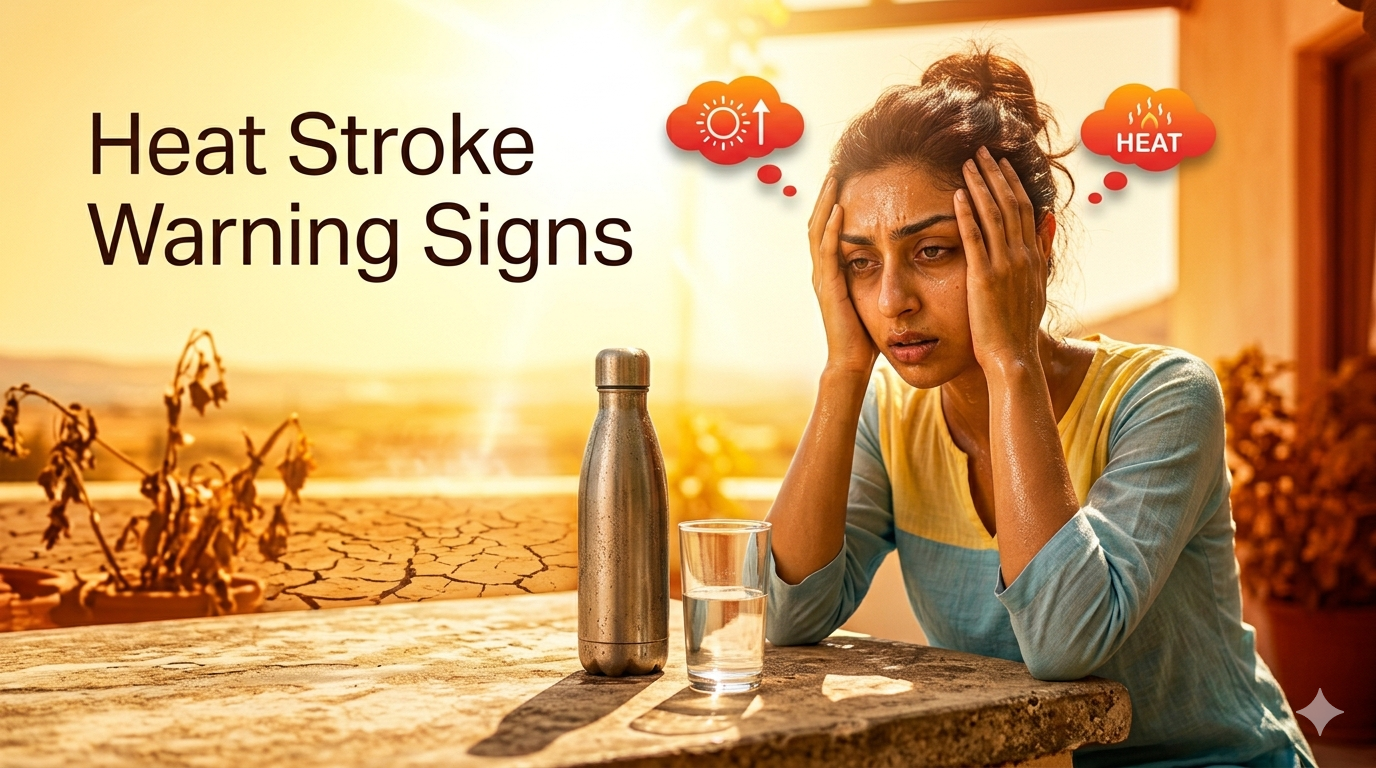
Every summer, thousands of people underestimate the effects of extreme heat. What often starts as simple fatigue or dehydration can quickly turn into a life-threatening condition called heat stroke.
Many people ignore early warning signs like headache, dizziness, or weakness—assuming it’s just normal heat. But in reality, these are often the early symptoms of heat stroke.
From real-world patterns, especially during peak summer months, most severe cases happen because people delay action.
👉 The truth is: recognizing heat stroke symptoms early can save lives.
In this guide, you’ll learn:
- Early signs of heat stroke in adults
- Dangerous symptoms you should never ignore
- Heat stroke first aid steps at home
- How to prevent heat stroke in summer
What is Heat Stroke?
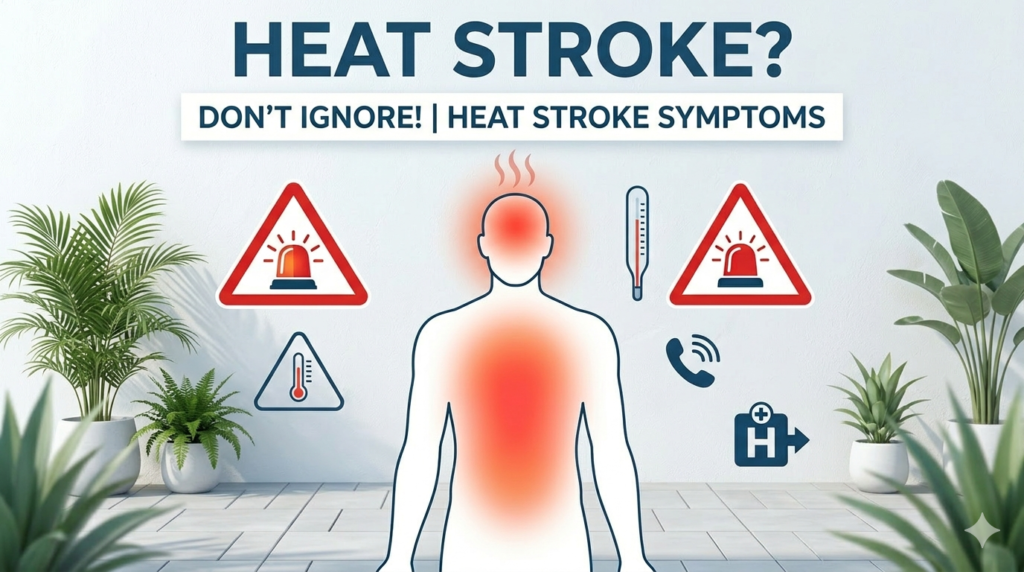
Heat stroke is a serious condition that occurs when your body temperature rises above 104°F (40°C) and your body can no longer cool itself.
Unlike heat exhaustion, heat stroke can lead to:
- Organ damage
- Brain complications
- Even death if untreated
👉 It is a medical emergency that requires immediate attention.
Early Signs of Heat Stroke in Adults (Do Not Ignore)
Recognizing early symptoms is the most effective way to prevent serious complications.
1. High Body Temperature
A body temperature above 104°F is a major warning sign.
2. Excessive Sweating or Sudden Dry Skin
- Early stage: heavy sweating
- Severe stage: hot, dry skin
👉 This change is a critical signal.
3. Severe Headache
A persistent headache during hot weather should never be ignored.
4. Dizziness and Weakness
Feeling lightheaded or faint is an early warning sign of overheating.
5. Nausea or Vomiting
The body reacts negatively to extreme heat stress.
6. Rapid Heartbeat
Your heart works harder to regulate body temperature.
Dangerous Heat Stroke Symptoms (Emergency Warning Signs 🚨)
If these symptoms appear, seek immediate medical help:
🔴 Confusion or Disorientation
The person may not recognize surroundings.
🔴 Loss of Consciousness
Fainting or blackout is a critical sign.
🔴 Seizures
Indicates severe impact on the brain.
🔴 Very Hot, Dry Skin
This means the body has stopped sweating.
👉 These symptoms are life-threatening and should never be ignored.
Who is Most at Risk of Heat Stroke?
Certain groups are more vulnerable:
- 👶 Children (body heats up faster)
- 👴 Elderly people (reduced heat tolerance)
- 🏃 Athletes and outdoor workers
- 💼 Office workers (sudden exposure after AC)
- 🧑⚕️ People with existing health conditions
👉 Awareness is especially important for these groups.
Common Causes of Heat Stroke
Understanding causes helps prevent it:
- Prolonged exposure to direct sunlight
- Dehydration
- High humidity
- Intense physical activity
- Wearing tight or dark clothing
Heat Stroke First Aid Steps at Home (Immediate Action)
If someone shows symptoms, act quickly:
✔ Move to a Cool Place
Shift them indoors or into shade immediately.
✔ Cool the Body
- Use cold water
- Apply wet cloth
- Use fan or AC
✔ Hydrate
Give water only if the person is conscious.
✔ Call Emergency Help
Do not delay in severe cases.
👉 Quick action can prevent serious damage.
How to Prevent Heat Stroke in Summer
Prevention is always better than cure.
✔ Stay Hydrated
Drink water regularly, even if not thirsty.
✔ Avoid Peak Sun Hours
Stay indoors between 11 AM – 4 PM.
✔ Wear Light Clothing
Loose and breathable fabrics are best.
✔ Use Sun Protection
Wear hats, sunglasses, and sunscreen.
✔ Take Regular Breaks
Especially during outdoor work or exercise.
Best Foods & Drinks to Prevent Heat Stroke
Include these in your daily routine:
- Coconut water
- Lemon water
- Watermelon
- Cucumber
- Buttermilk
👉 These help regulate body temperature naturally.
Real-Life Insight (Experience-Based)
In many real-life situations, people ignore early symptoms like:
- Fatigue
- Headache
- Dizziness
👉 Thinking it’s just normal heat or tiredness.
But in reality, these are often early warning signs of heat stroke.
👉 By the time severe symptoms appear, the condition can become dangerous.
Why This Topic Matters Globally
With rising temperatures and frequent heatwaves:
👉 Heat stroke cases are increasing worldwide, especially in:
- USA
- UK
- India
- Middle East
👉 Awareness can:
- Prevent emergencies
- Protect families
- Improve safety during summer
Conclusion
Heat stroke is not just a seasonal issue—it is a serious medical emergency.
👉 Final Takeaways:
- Recognize early symptoms
- Act immediately when needed
- Stay hydrated and protected
👉 A small step today can prevent a life-threatening situation tomorrow.
I hope you will find useful this article to understand about Heat Stroke Symptoms
📌 Frequently Asked Questions (FAQs)
Q1. What are early signs of heat stroke?
High body temperature, headache, dizziness, and fatigue.
Q2. How is heat stroke different from heat exhaustion?
Heat stroke is more severe and can cause organ damage.
Q3. Can heat stroke be treated at home?
Mild symptoms can be managed, but severe cases need medical help.
Q4. How much water should I drink in summer?
Around 2–3 liters or more depending on activity level.
Q5. Is heat stroke dangerous?
Yes, it can be life-threatening if untreated.
Q6. Who is most at risk?
Children, elderly, and people exposed to extreme heat.